Posted on the 15th of April 2026
Cowslip
Scientific Name: Primula veris
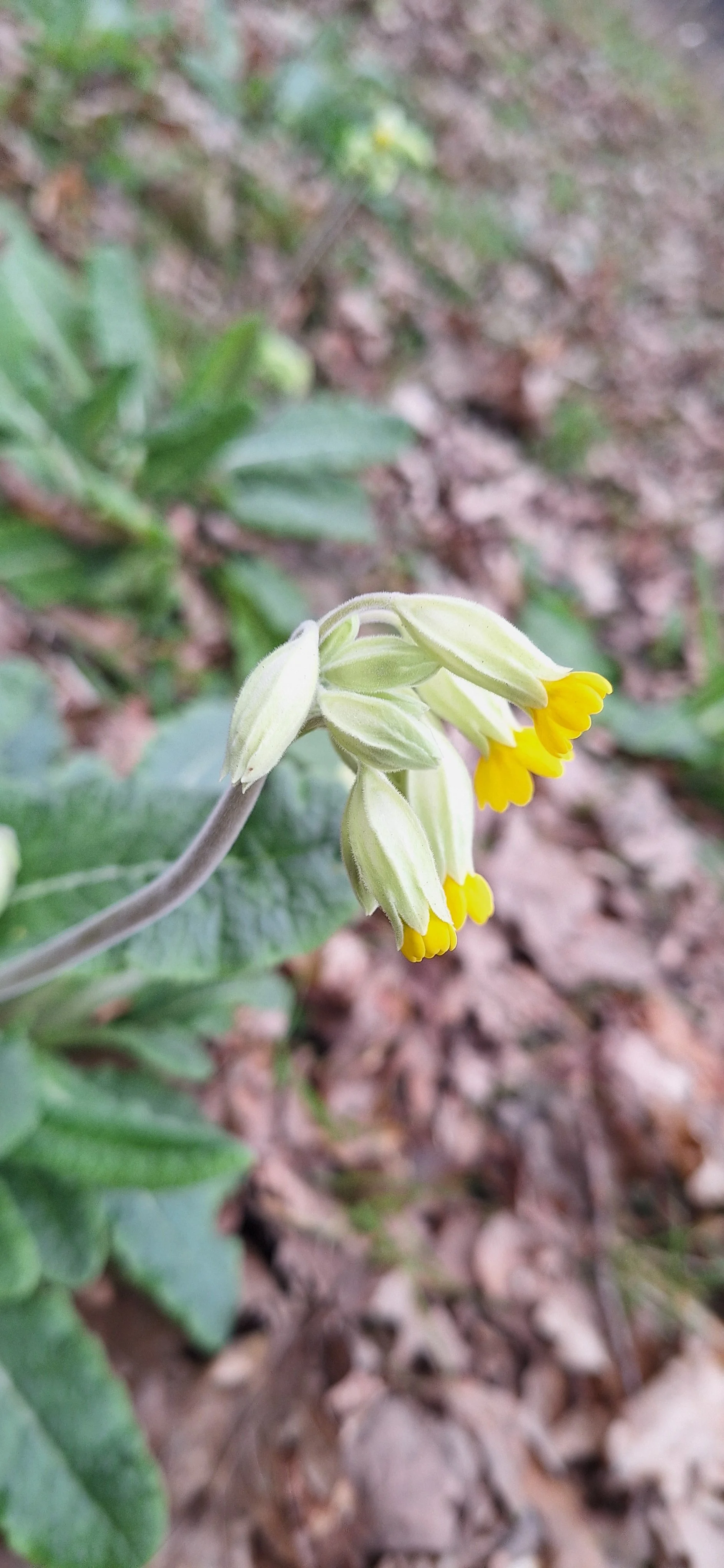
A cowslip plant
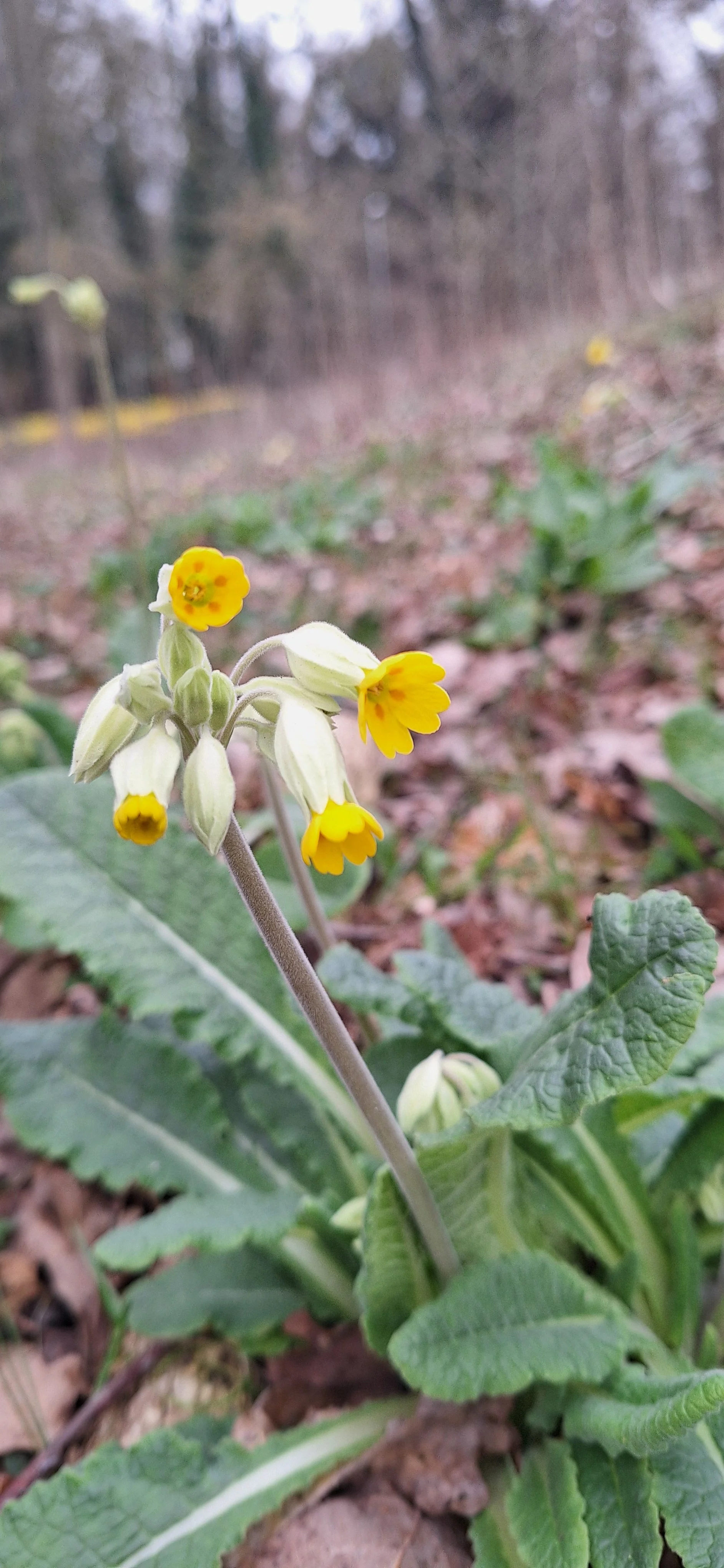
The flowers and stem of a cowslip plant
Morphology and Range
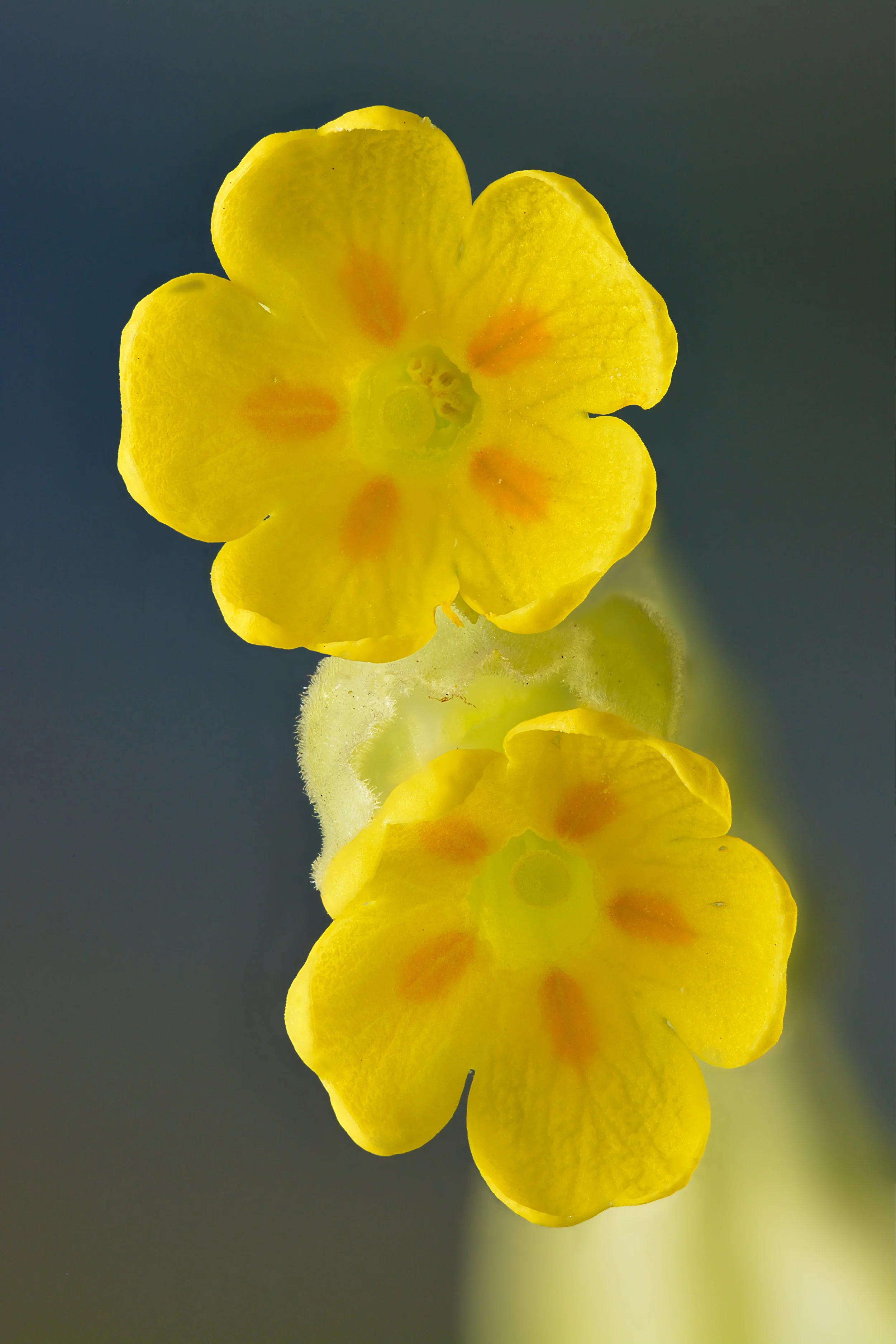
Cowslip is a vibrant perennial plant that flowers in April and May. The flowers droop and are a bright yellow with five connected petals. Each petal has an orange spot at its base and the large calyx covers the fruit capsule. Cowslip is a pubescent plant, as fine hairs cover the stem. The leaves are basal, growing in a rosette shape around the base of the stem. A large cream-green vein is present along the center of the dark green, wrinkled leaves. The leaf starts fairly narrow, quickly widening, and the margins of the leaf are toothed. Each leaf is between 5 and 15cm long, while the stem of the plant can grow up to 25cm tall.
Cowslip can be found growing in fields, woodland and along roadsides. It used to be a very common plant across the UK but had a large decline during the 20th century due to advances in farming practises making many of its former habitats unusable. Cowslip is native to almost all of Europe. The only regions it is unable to survive in are those that are far north, such as some parts of Scotland, Norway and Finland.
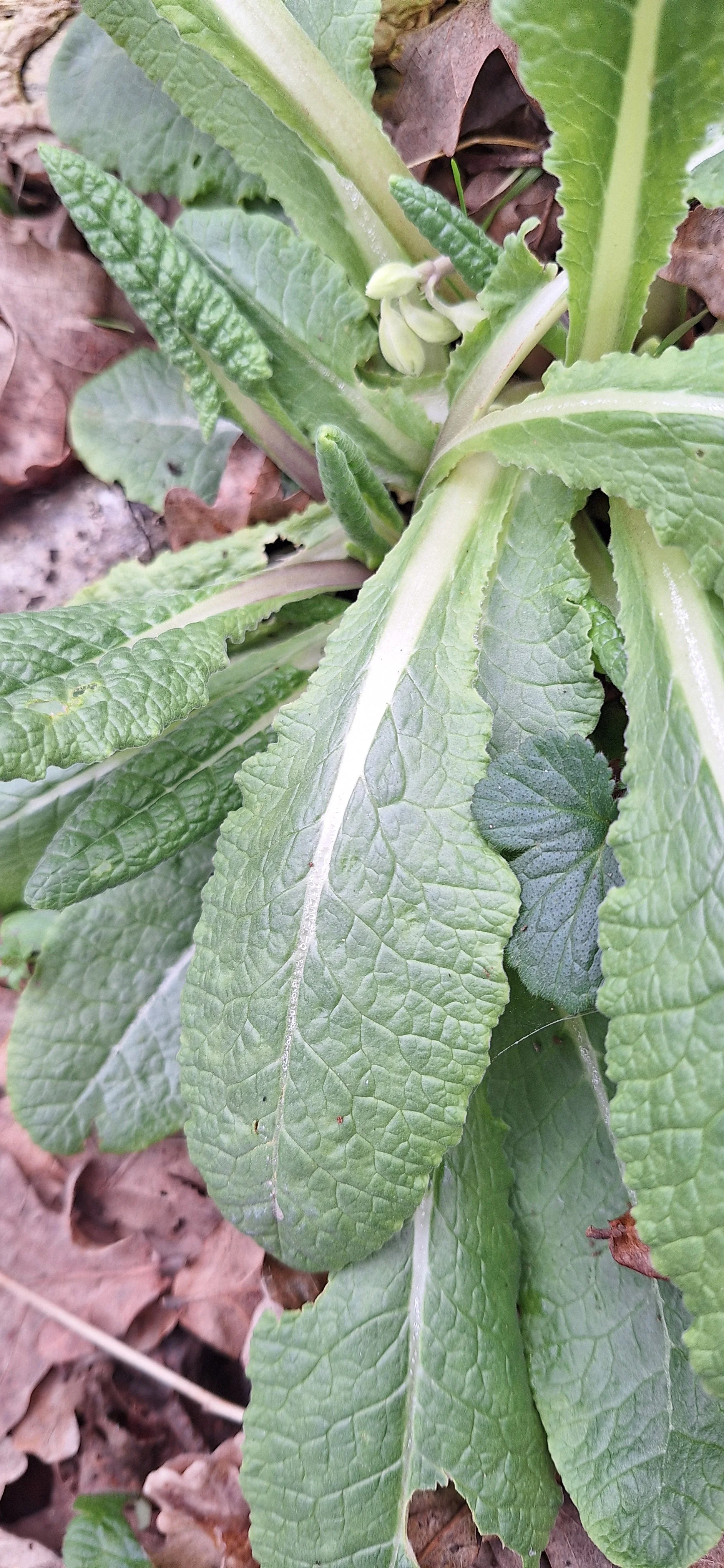
The leaf of a cowslip plant
Uses and Folklore
A traditional use of cowslip is as a sedative to treat sleep issues. Some people to this day use it to help them sleep and some also use the pant to help soothe coughs and other respiratory issues. The treatment used is really simple to make as it’s just a tea made with a couple teaspoons of fresh or dried flowers. The flowers and leaves of cowslip are completely edible, so while I don’t know the effectiveness of the remedy, it is completely safe to drink. Since it is edible, cowslip can also be used in salads and any recipe you might want to add it to. Cowlsip supposedly has a slight citrus flavour.
An old name for cowslip is key flower. In Norse mythlogy cowslip was heavily associated with the goddess Freyja. Freyja was a goddess of fertility, beauty and war. The key flower was said to be able to unlock Freyja’s treasure palace. Swiftly moving on, when christianity reached Europe, cowslip kept its key associations. Cowslip became a symbol of the virgin Mary and saint Peter. It was said that cowslip was the keys to the gates of heaven and started to grow on the Earth after saint Peter accidentally dropped the keys.
A close up picture of two cowslip flowers
Credit: Ivar Leidus
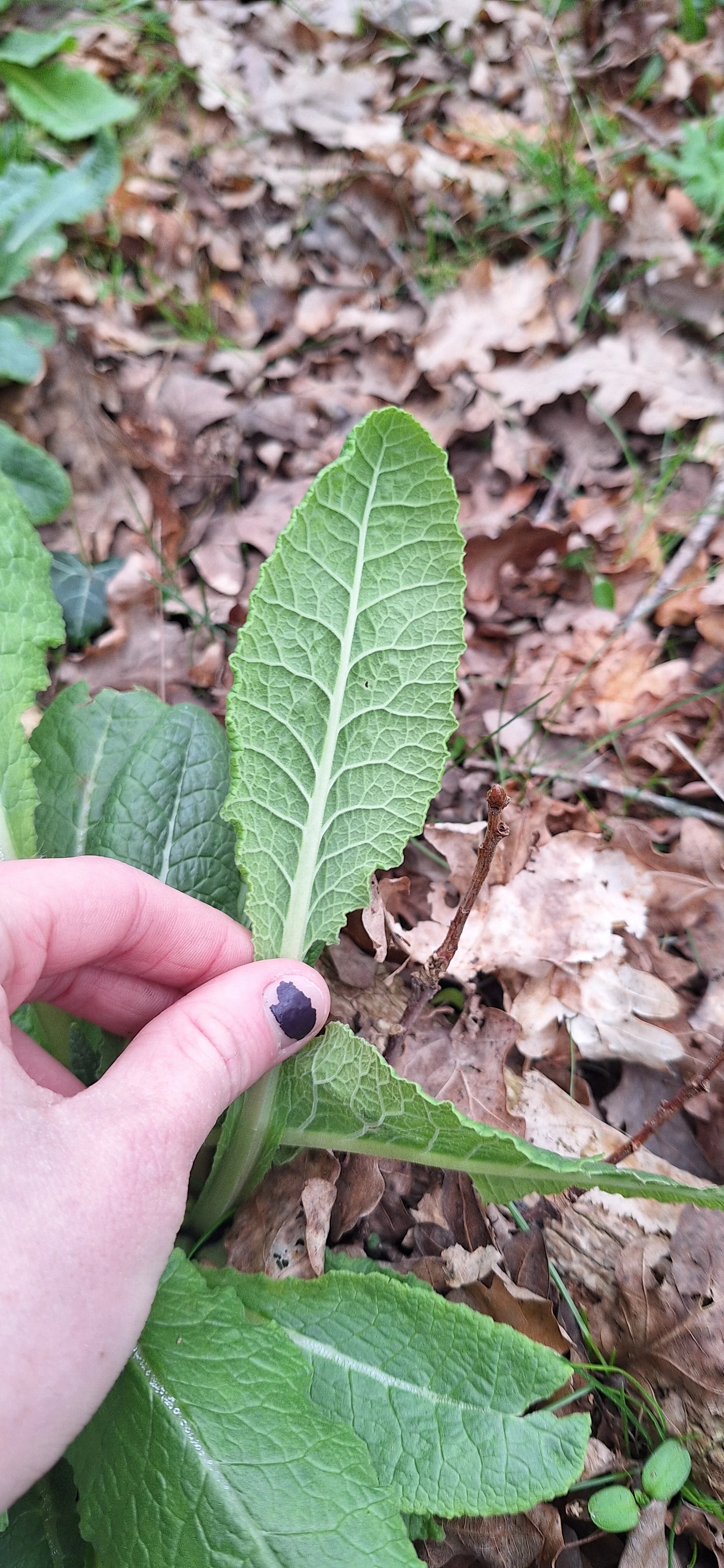
The underside of a cowslip leaf