Posted on the 12th of January 2026
Black-Headed Gull
Scientific Name: Chroicocephalus ridibundus
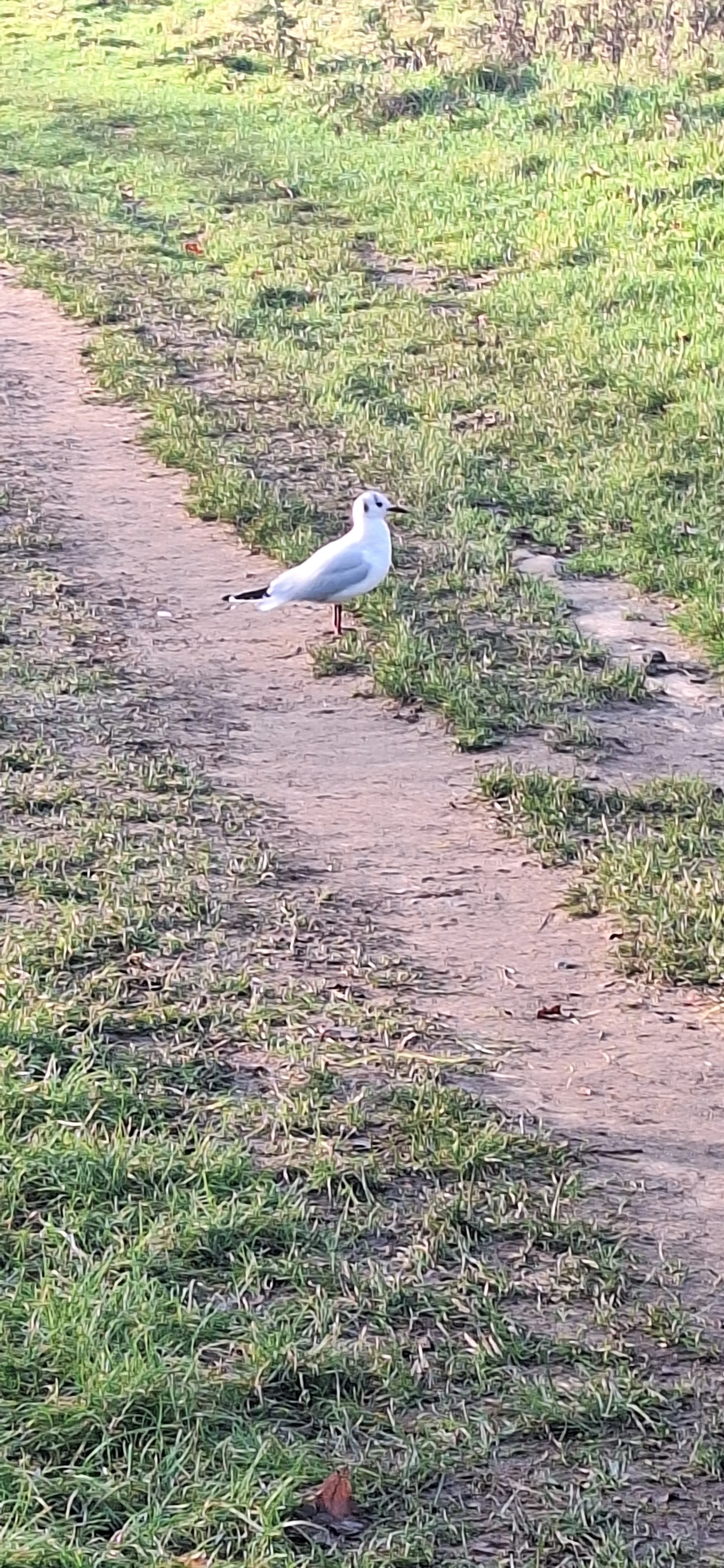
A Black-headed gull I found
Morphology and Range
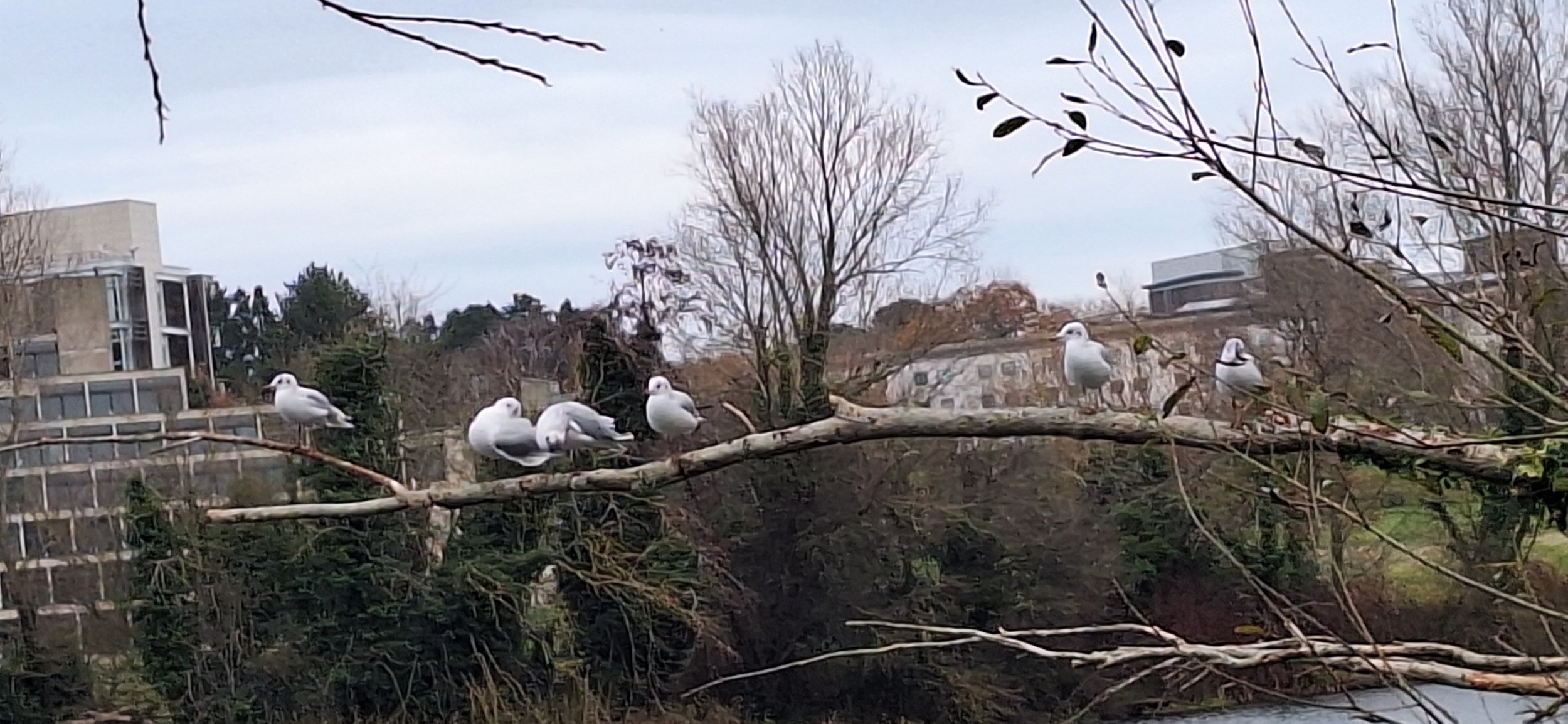
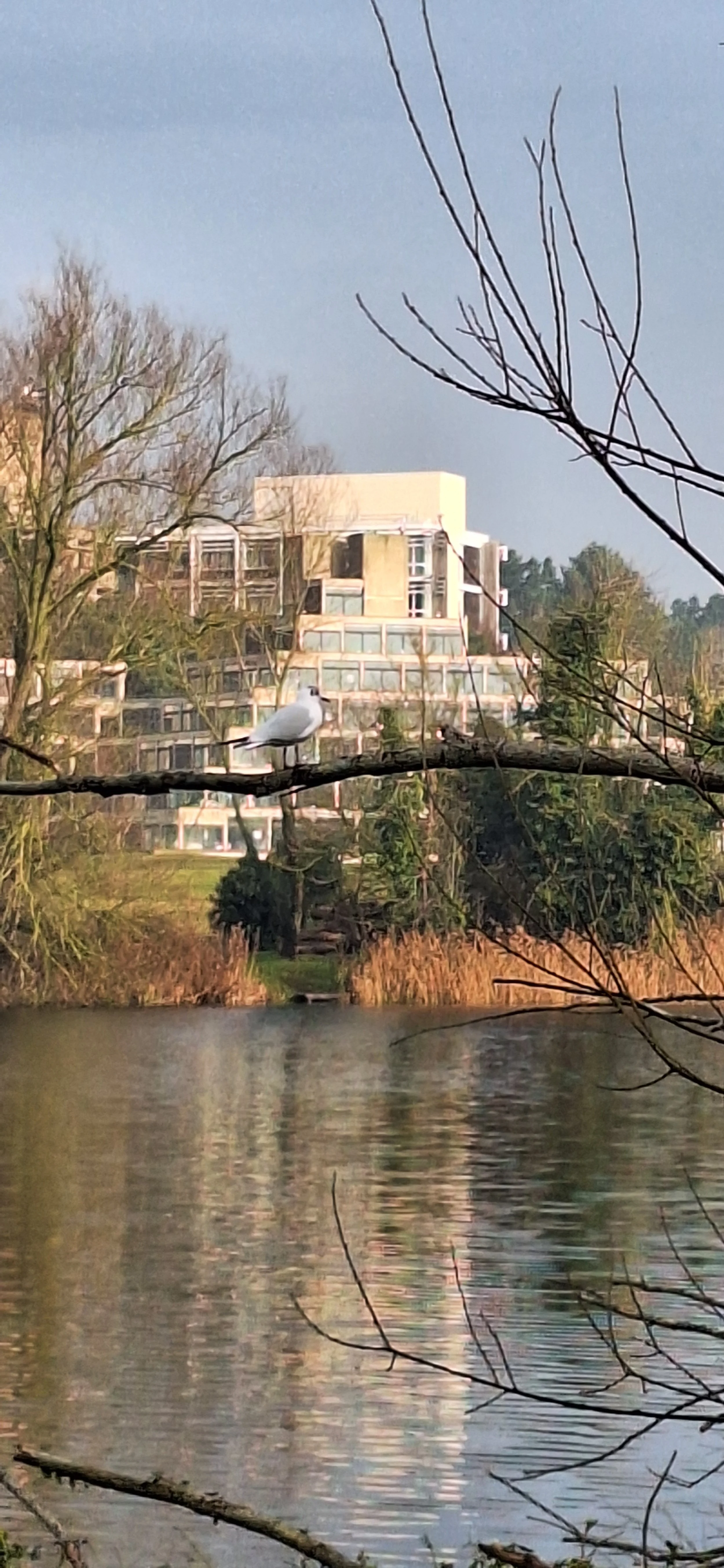
Black-headed gulls sitting on a branch
The Black-headed gull doesn’t always have a black head. In the winter their head only has a small amount of black on it and becomes completely dark brown in the summer (as I took all my photos in winter all the images on here are of the bird's winter plumage). Non-determinate by the season is the colouration of the rest of the birds body which is almost completely white, the only parts that aren’t white are the wings which are a light grey. They have an average wing span of about 100-110cm, weight of 200-400g and length of 34-37cm.
Black-headed gulls can be found around the UK and other areas in western Europe, such as Spain and Denmark, year round. During their breeding season in the summer, populations can be found through out the rest of Europe, including Greenland and Iceland, and much of Asia. When they’re not breeding, populations can be found in south Asia, the east and west coast of Africa and the north east coast of North Africa.
Something I find really interesting about black-headed gulls is their lifespan. On average they live for just over ten years but they have capacity to live for thirty! I don’t know why, but I never expected them to be able to live that long!
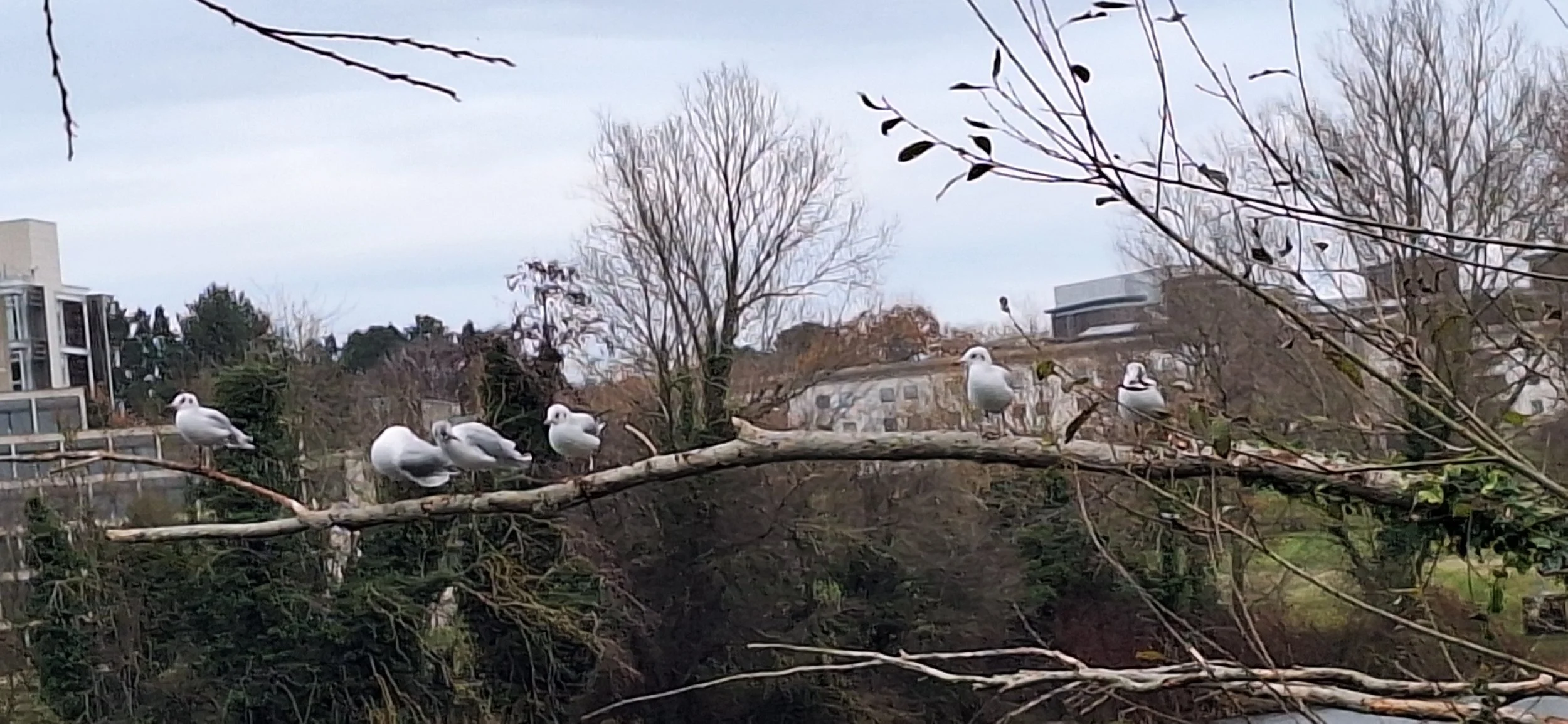
Black-headed gulls sitting on a branch
Diet and Reproduction
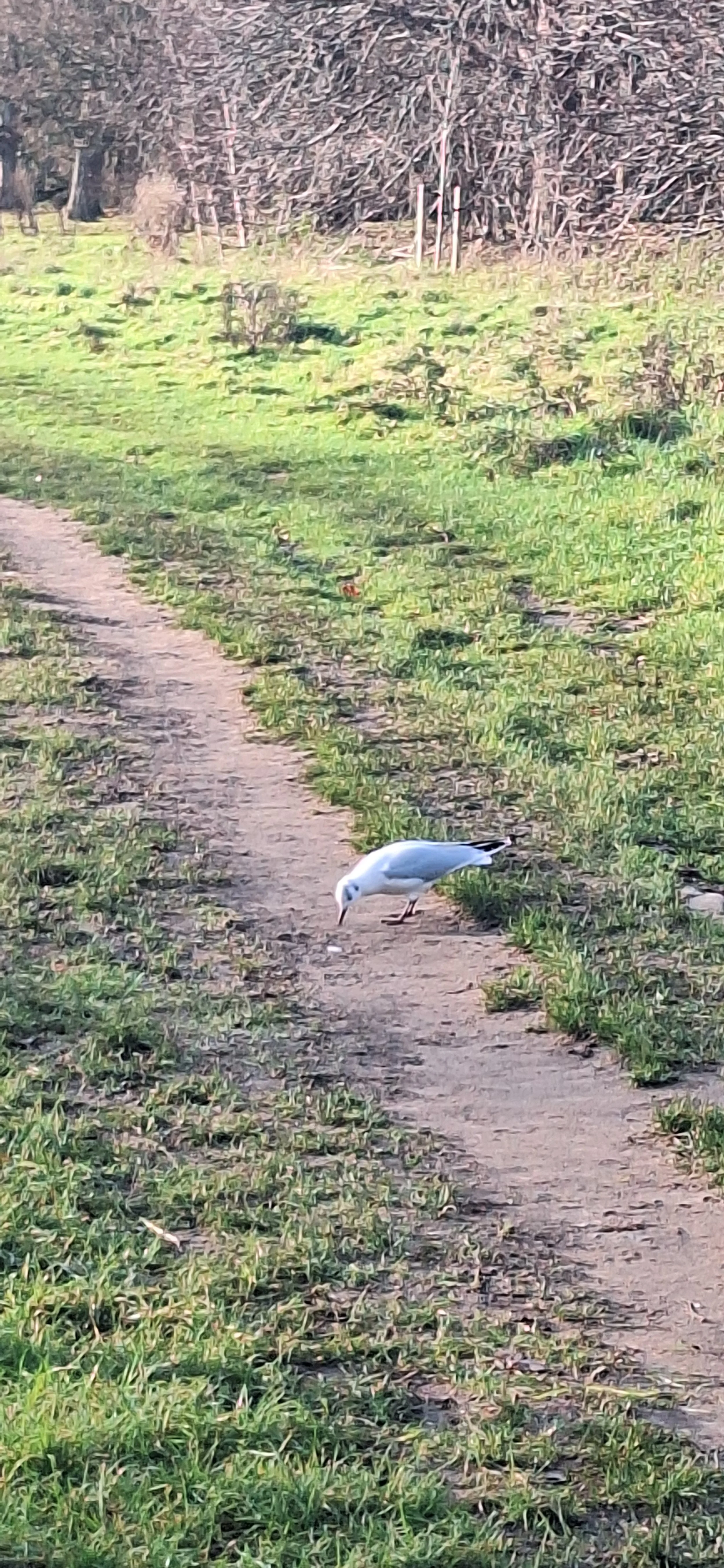
Black-headed gulls, like many birds, are omnivorous. While omnivorous they’re diet is mostly made up of fish and various invertebrates. They don’t always hunt for their own food though, black-headed gulls are known to partake in kleptoparasitism. Kleptoparasitism is where an individual steals food from another, black-headed gulls usually don’t steal from each other and instead go for other species of birds. They also eat scraps left behind by people and steal food from people directly, I’m sure everyone reading this has at some point either witnessed or experienced having their chips stolen by a seagull.
Black-headed gulls are ground nesting and breed around freshwater wetlands in the summer and usually breed in colonies. Both males and females contribute to nest building and incubation of the eggs. Usually two or three eggs are laid and the hatch after around 23-26 days. Once hatched chicks then take around 34-36 days to fledge. Breeding pairs are often monogamous and mate together for several years or even for life.
A foraging black-headed gull
Seagulls
A black-headed gulls looking over a lake
As most species of gull can be found along the coast they are often referred to as seagull. All gulls are part of the family Laridae and subfamily Larinae. Other subfamilies of Laridae are the Rynchopinae (skinners), Sterninae (turns), Gyginae (white turns) and Anoinae (noddies).
Within the subfamily Larinae are several genera one of which being the black-headed gull’s genus Chroicocephalus. Chroicocephalus comes from a portmantua and romanization of the Greek words for colour and head. This is because several species in the genus have a head colouration similar to the black-headed gull. There are ten species of gull in the genus, thus making the grey-headed gull, bonaparte’s gull, andean gull, hartlaub’s gull, silver gull, slender-billed gull, brown-headed gull, black-billed gull and brown-hooded gull the closets living relatives of the black-headed gull.
While I wouldn’t say gulls as a whole are my favorite species of bird, they’re defiantly in the top five, if not top three. I spent a lot of time at the beach as a child and I still do to this day. When I was around two my Nan brought a holiday caravan in a seaside village in Norfolk and I’ve now been to the village so many times it feels like a second home. Spending so much time by the sea lead to grow quite fond of seagulls, watching them soar through the sky, bob around on the water, stealing people’s food. I think it’s hard not to grow fond of something you spend so much time around.
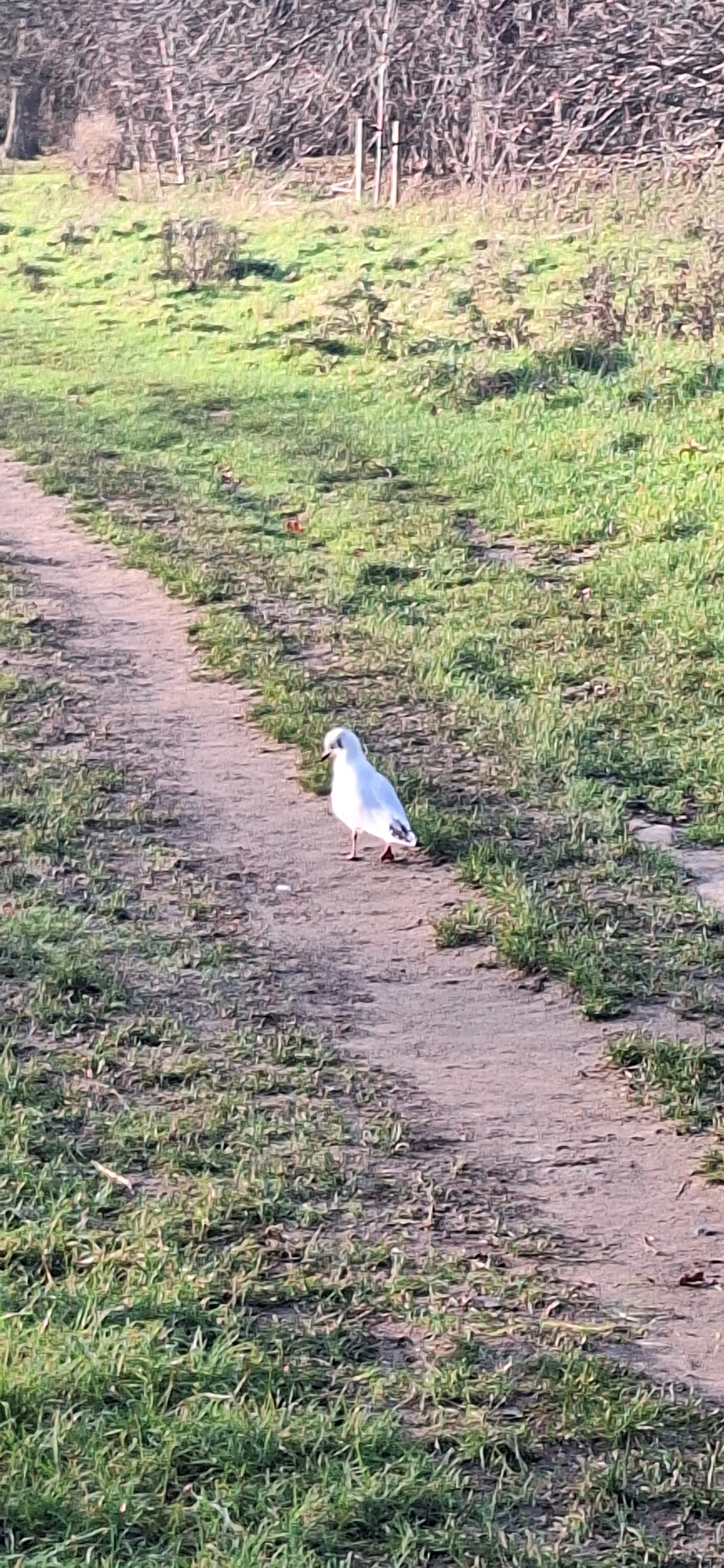
A black-headed gull I found on a walk