Posted on the 7th of April 2026
Scots Pine
Scientific Name: Pinus sylvestris
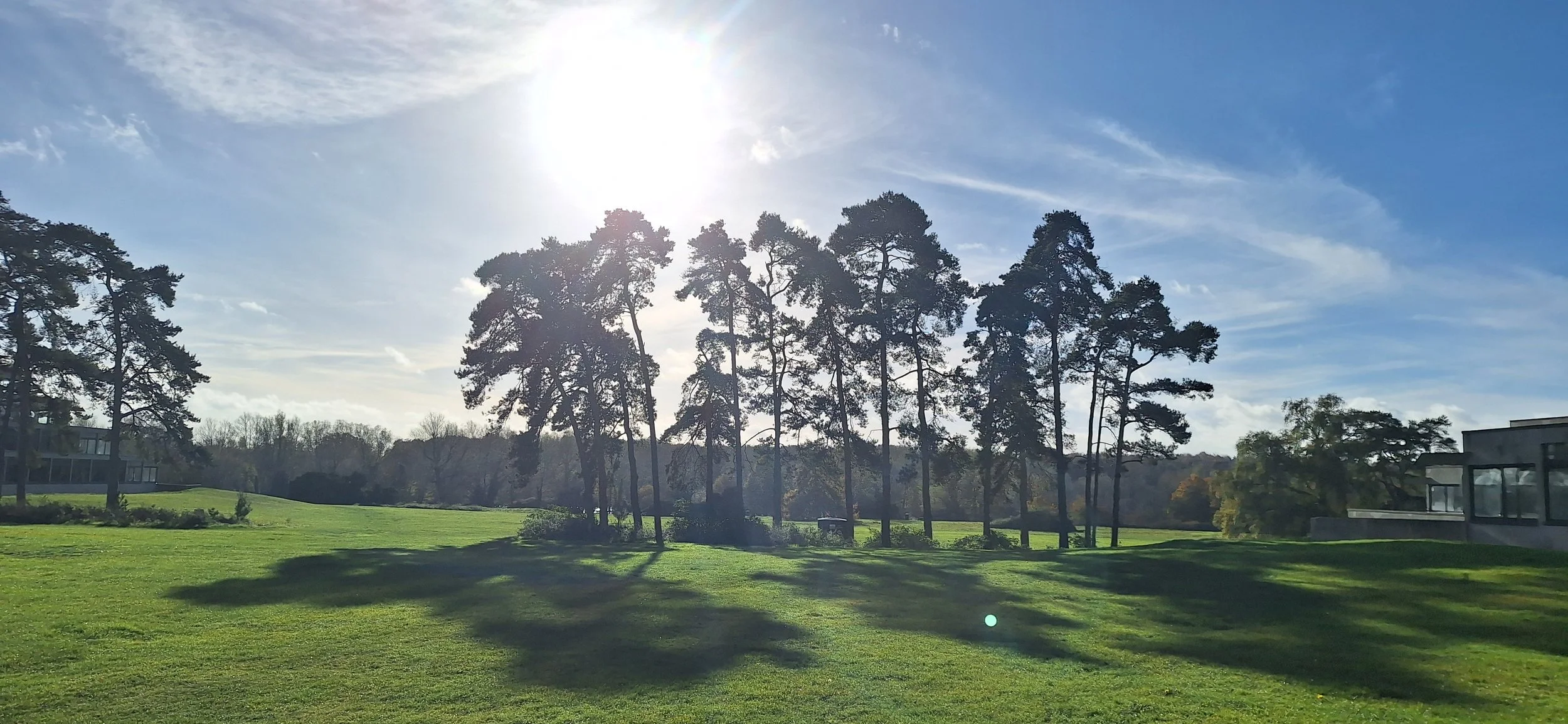
A group of scots pine trees
Morphology and Range
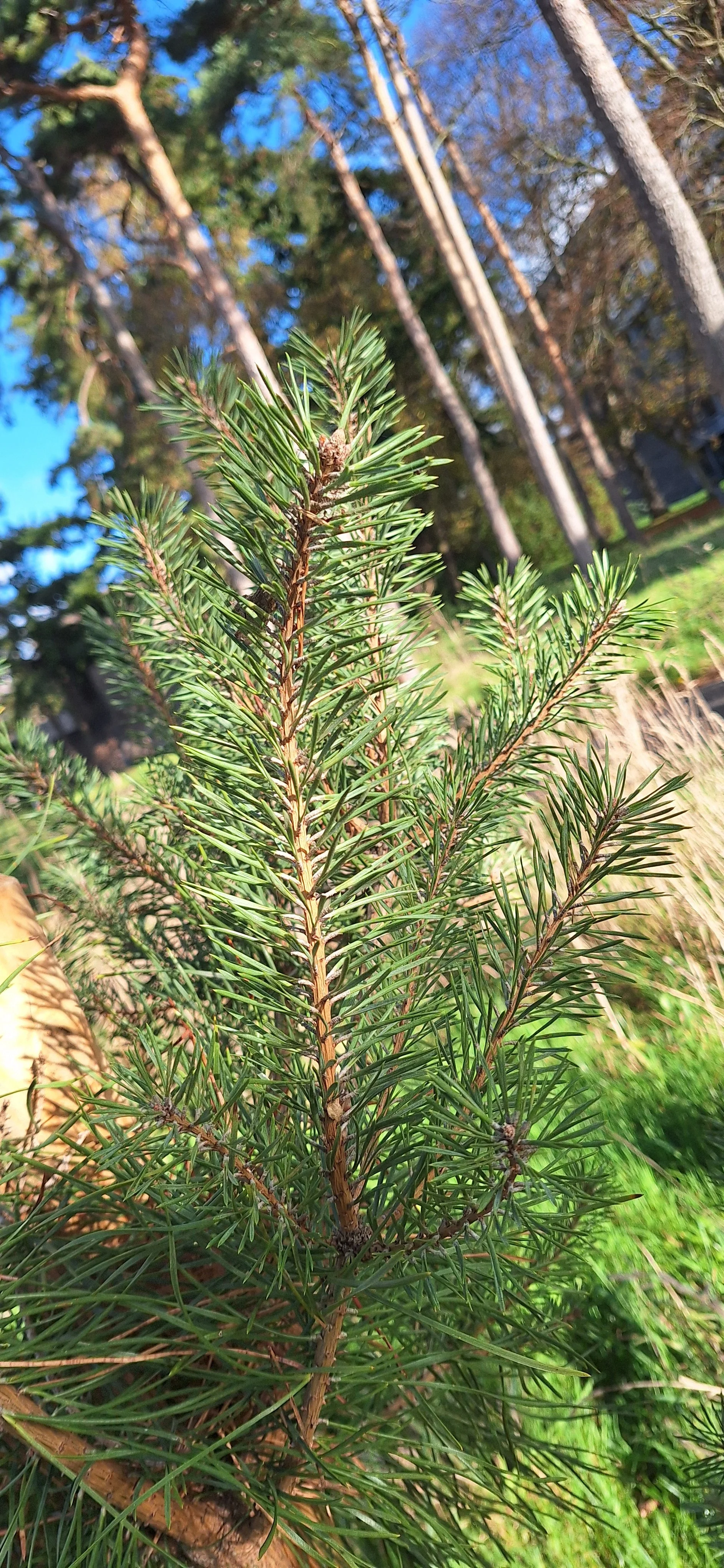
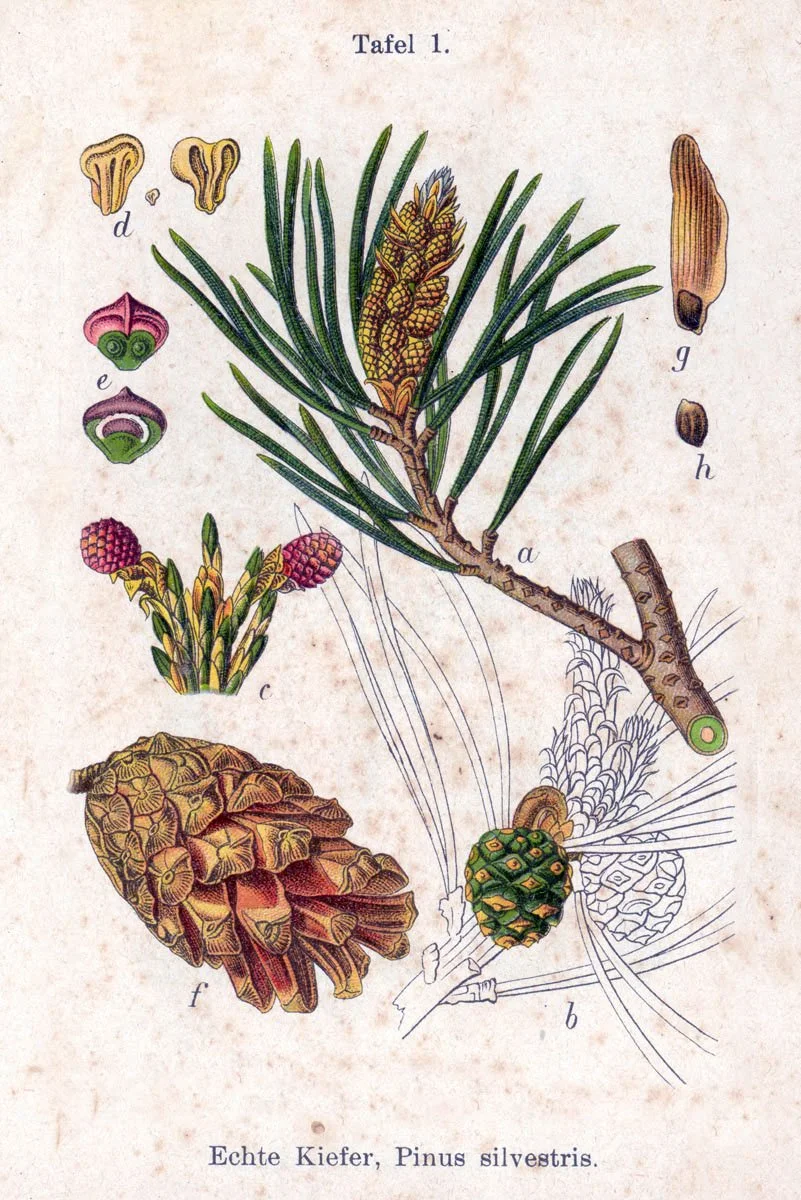
Scots pine (also called baltic pine and European red pine) is an evergreen tree from the pine family Pinaceae. The tree has reddish bark and twisted needle leaves that have a blueish-green hue. The needles of the tree can grow to a length of 7cm and the tree itself can grow up to 40 meters tall. Scots pine is monoecious, meaning that one tree can grow both male and female flowers. Female flowers look like small red pinecones and can be found at the tip of shoots. While male flowers are larger, yellow bundles of anthers that grow towards the base of a shoot. Instead of using insects for pollination, scots pine relies on the wind. Pollinated female flowers turn green and develop into pinecones. Around 7-20 seeds are housed within each pinecone; these seeds look very similar to maple seeds but with a dark brown colouration.
Scots pine is supposedly the most common pine species in the world. It is also one of just three species of conifer native to the United Kingdom. In the pine’s natural habitat, it grows in peat and acid sandy soils, but it can grow in a wide range of soils. Scots pine can be found throughout much of Europe, some places the species can be found include the Iberian peninsula, Scandanavia and even Siberia.
A branch of scots pine
A botanical plate of scots pine
Credit: Johann Georg Sturm (1796), Figure 1 from Deutschlands Flora in Abbildungen
Uses and Pathology
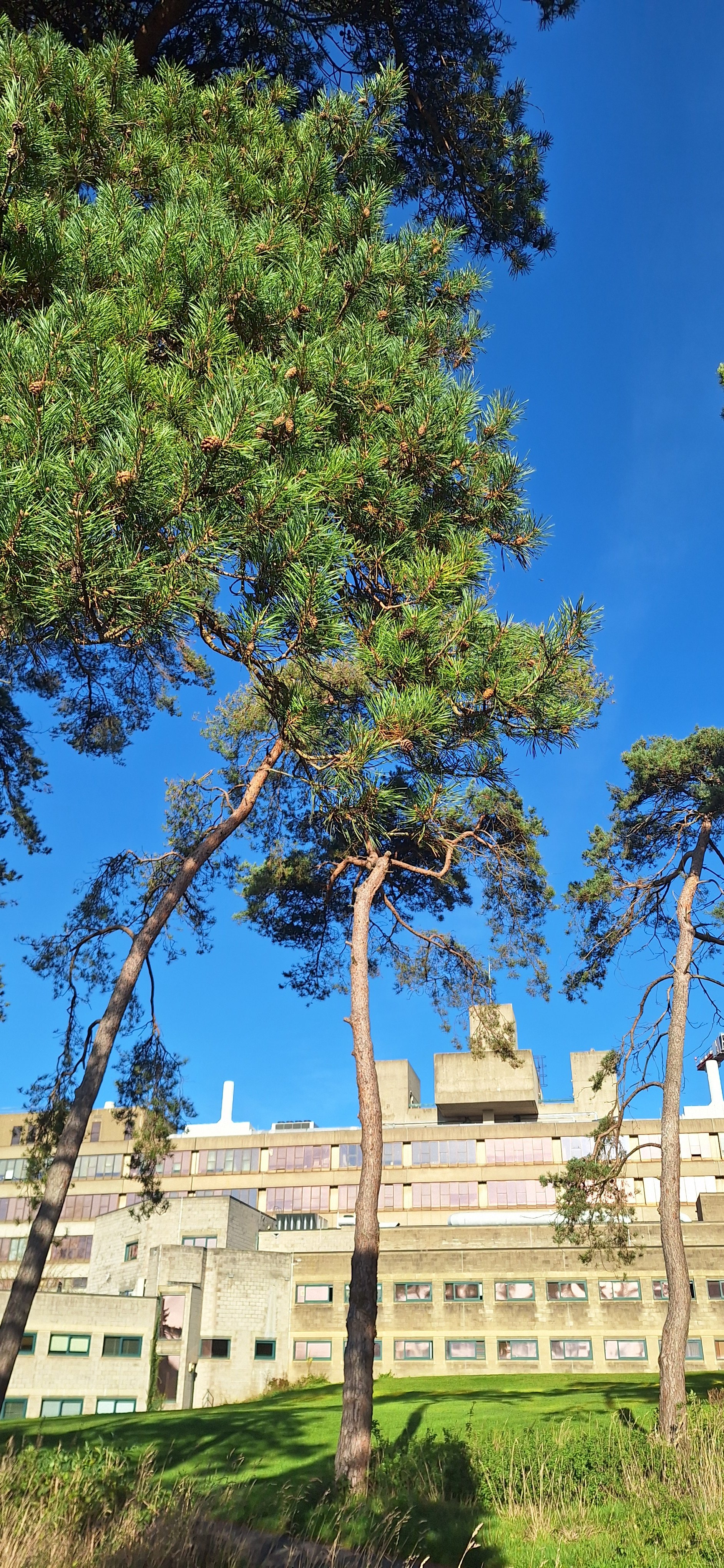
Three relatively young scots pine trees
Scots pine can be used for a few purposes. It can, like most trees, been used for timber as well as charcoal. The pine has also be used to create tar, resin and turpentine. Being able to survive in low quality soil and dry conditions, scots pine is considered to be a pioneer species. This makes the tree very useful in forestry as it can be used to help regenerate damaged forest ecosystems. Pine needles contain a relatively high amount of vitamin C. This was incredibly helpful in the past during winter as it provided people with a source of vitamin C that they were unable to get from any fresh fruit.
There’s a disease that infects pine trees called “red band needle blight” (Dothistroma septosporum), which is a type of fungus. The fungus causes a pine’s needles to turn yellow and then red, but only at the tip so the rest of the needle stays green. The infection is slow, gradually weakening the tree year after year, eventually killing the tree. Dothistroma septosporum mostly infects corsican pines, however scots pine is more resistant than most.
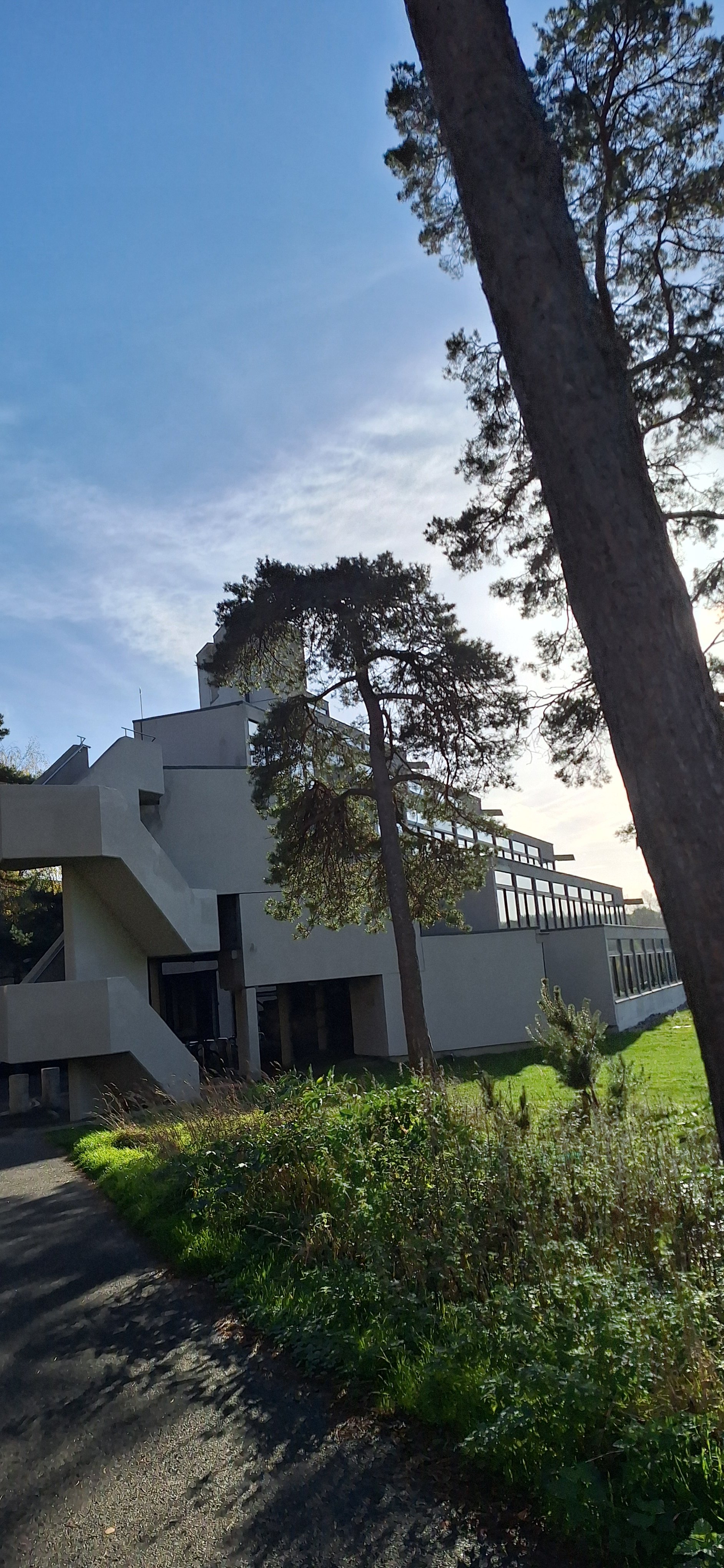
A small scots pine tree next to the ziggurats
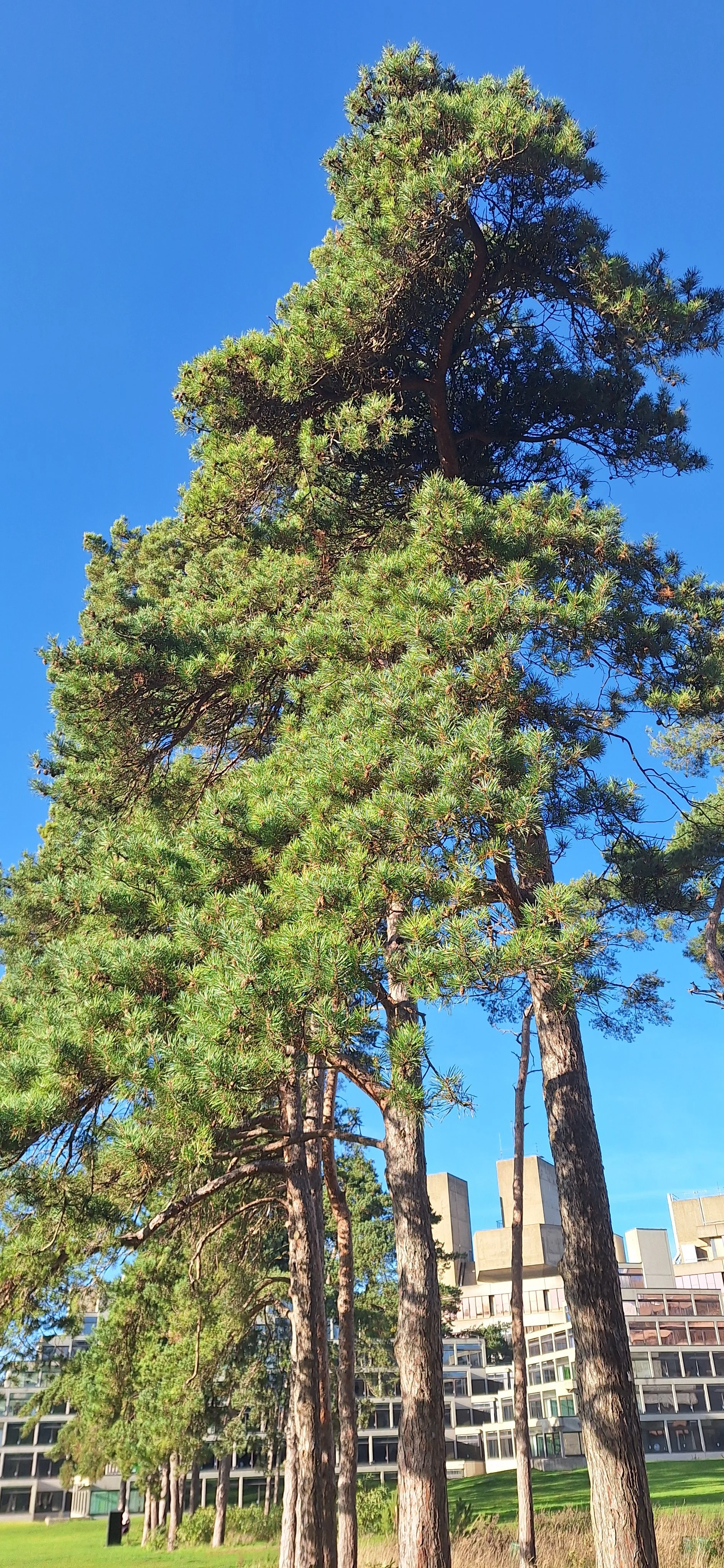
The top of a scots pine tree
Mythology
Scots pine was a very useful resource to the people of Scotland, and as such, it is very present in their mythology. The pine was seen as a symbol of durability, which created the proverb “Cruaidh mar am fraoch, buan mar an giuthas” which in English is “Hard as the heather, lasting as the pine”. Scots pine’s durable nature made it very useful for shipbuilding, its high resin content meant that the wood would take longer to decay. There was a myth that you should never fell a scots pine during a waning moon because the moon’s tidal influence would affect the resin.
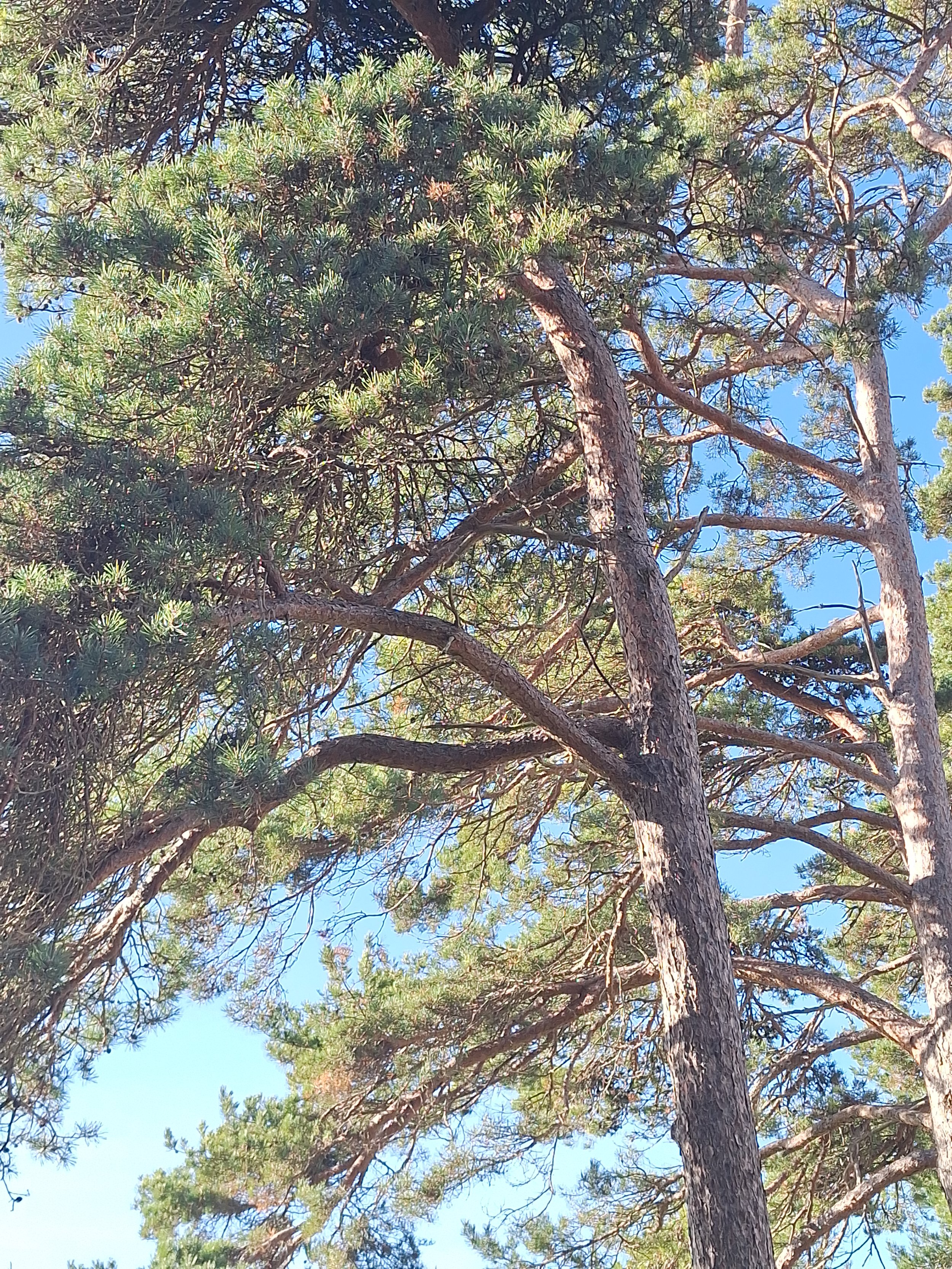
The trunk of a scots pine tree