Posted on the 6th of March 2026
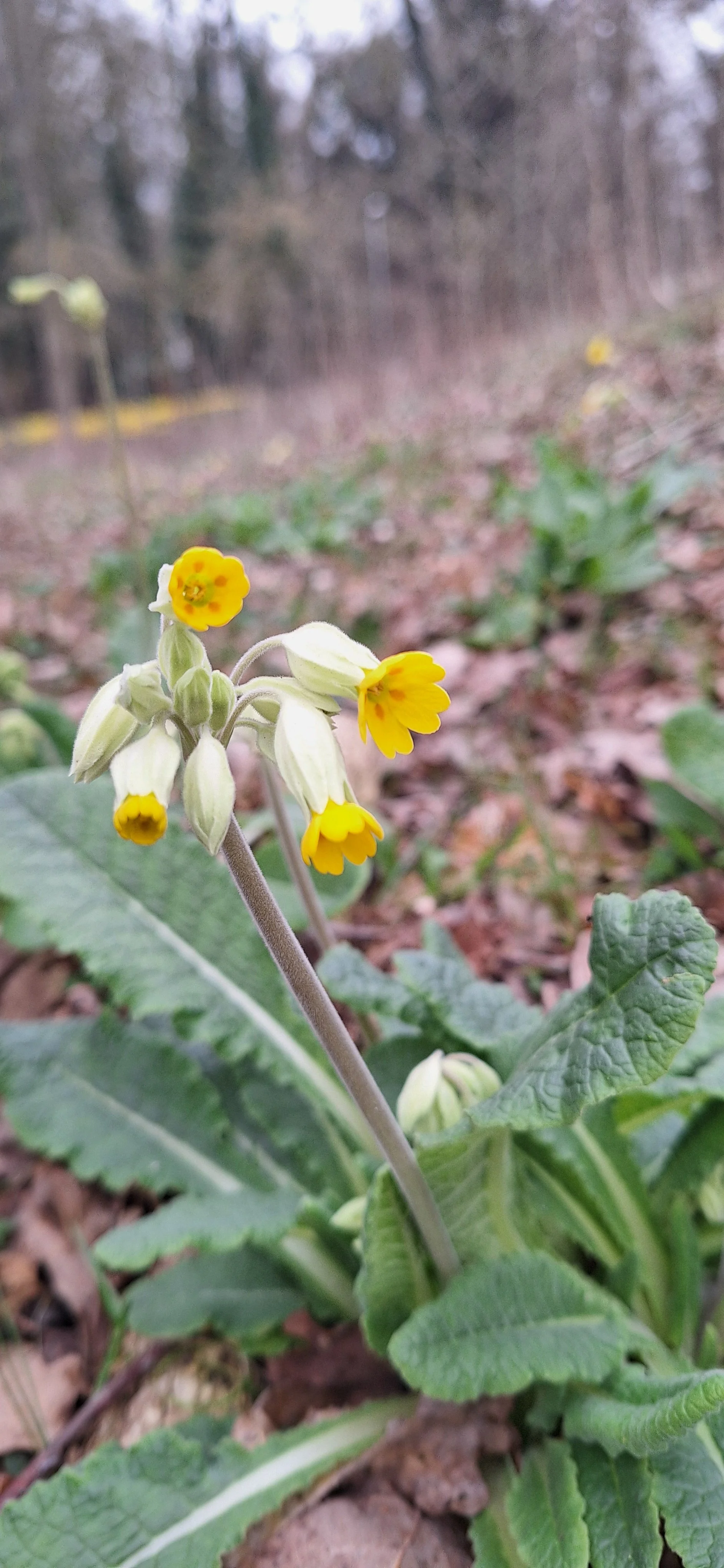
A cowslip flower
Wild Flower Hour
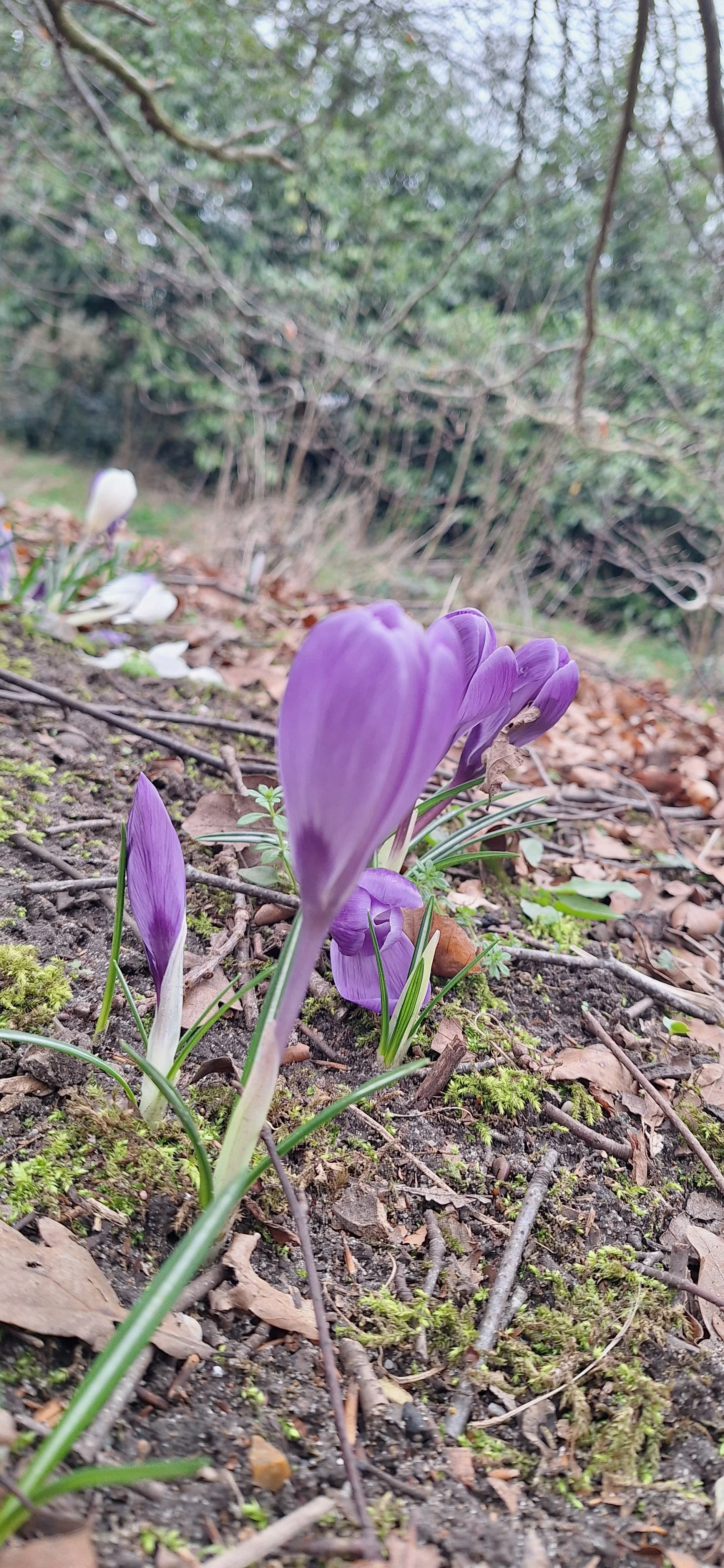
A purple crocus
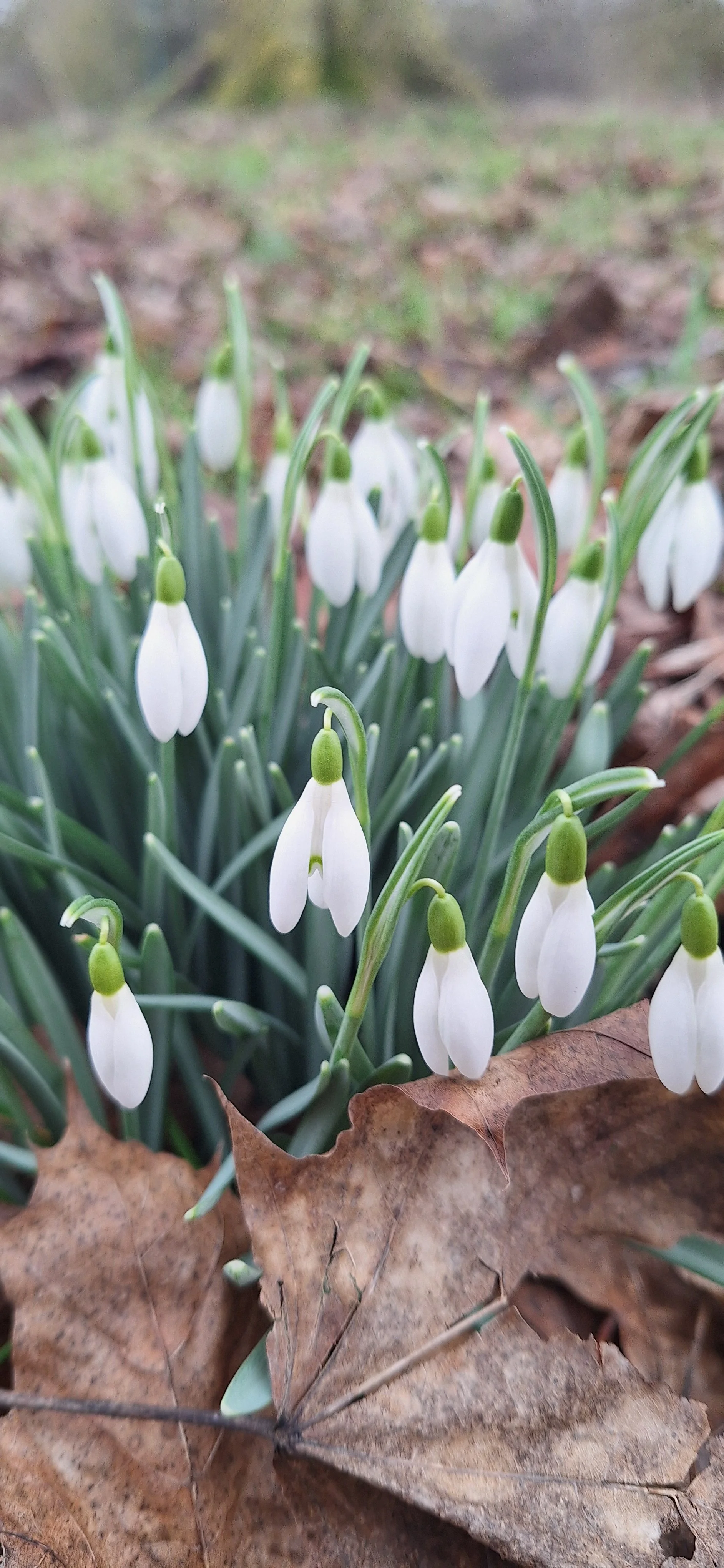
A snowdrop
What is Wild Flower Hour?
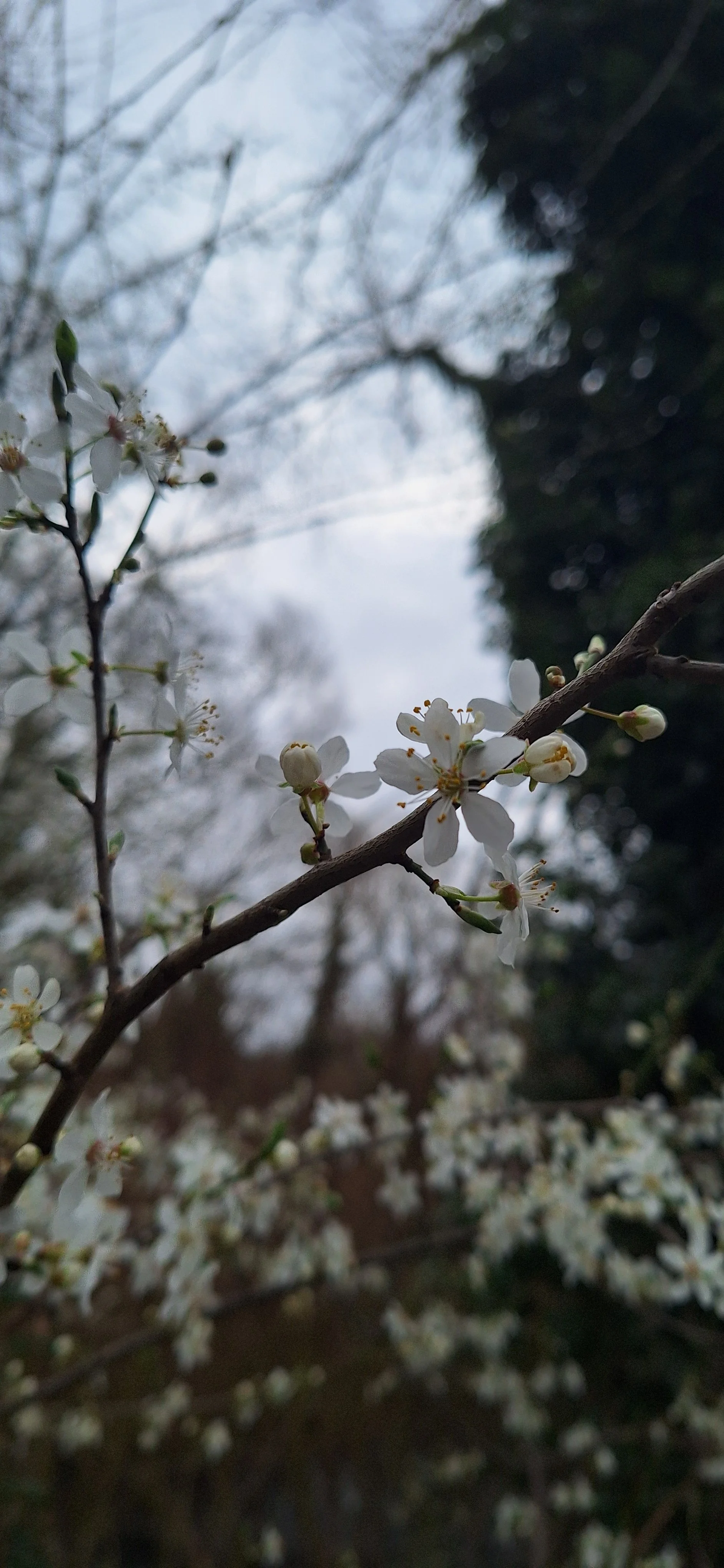
A blackthorn flower
Wild flower hour was created by Isabel Hardman from the gardening blog Fennel and Fern, then popularised by the Botanical Society of Brittan and Ireland (BSBI) to help people to get plant’s they’ve found identified and to get more people to appreciate plants. On Sundays between 8-9pm hundreds of people post all different species of wildflowers with the hashtag #WildFlowerHour on social media websites such as Bluesky. #WildflowerID is also used on these posts, often by people who are unsure on what species of flower they found and want help in identifying the plant. Wild Flower Hour has its own website and has official accounts on Instagram and Bluesky. On these two social media accounts they.
On Thursday the 26th of February everyone on my course (Ecology and Conservation) went on a field trip around the UEA campus looking for wildflowers. Some of the species we found are crocus, snowdrops, cowslip, lesser celandine, gorse, blackthorn and red dead nettle. Pictures of some of these flowers can be found next to and above this text and the rest of this blog post is going to focus on red dead nettle.
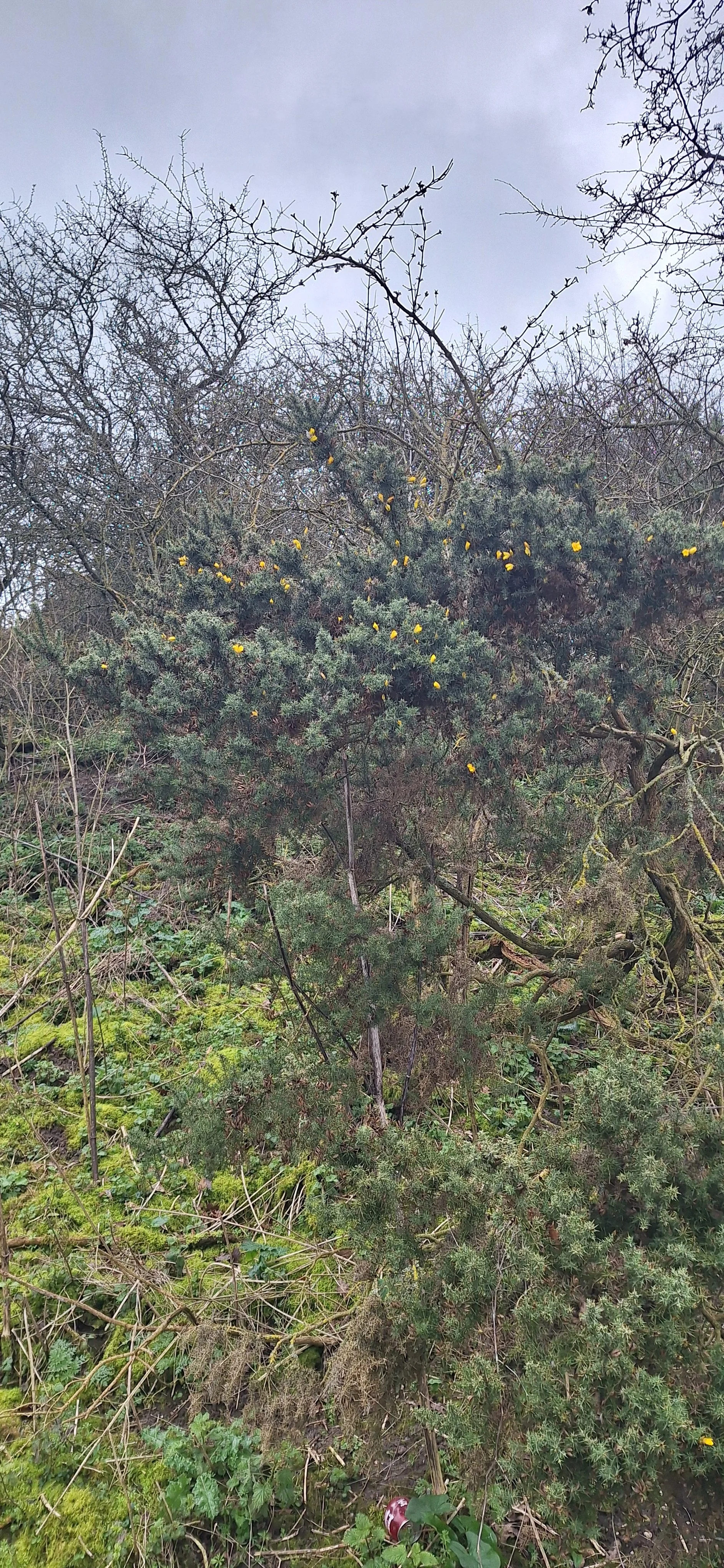
A gorse bush
Morphology and Range
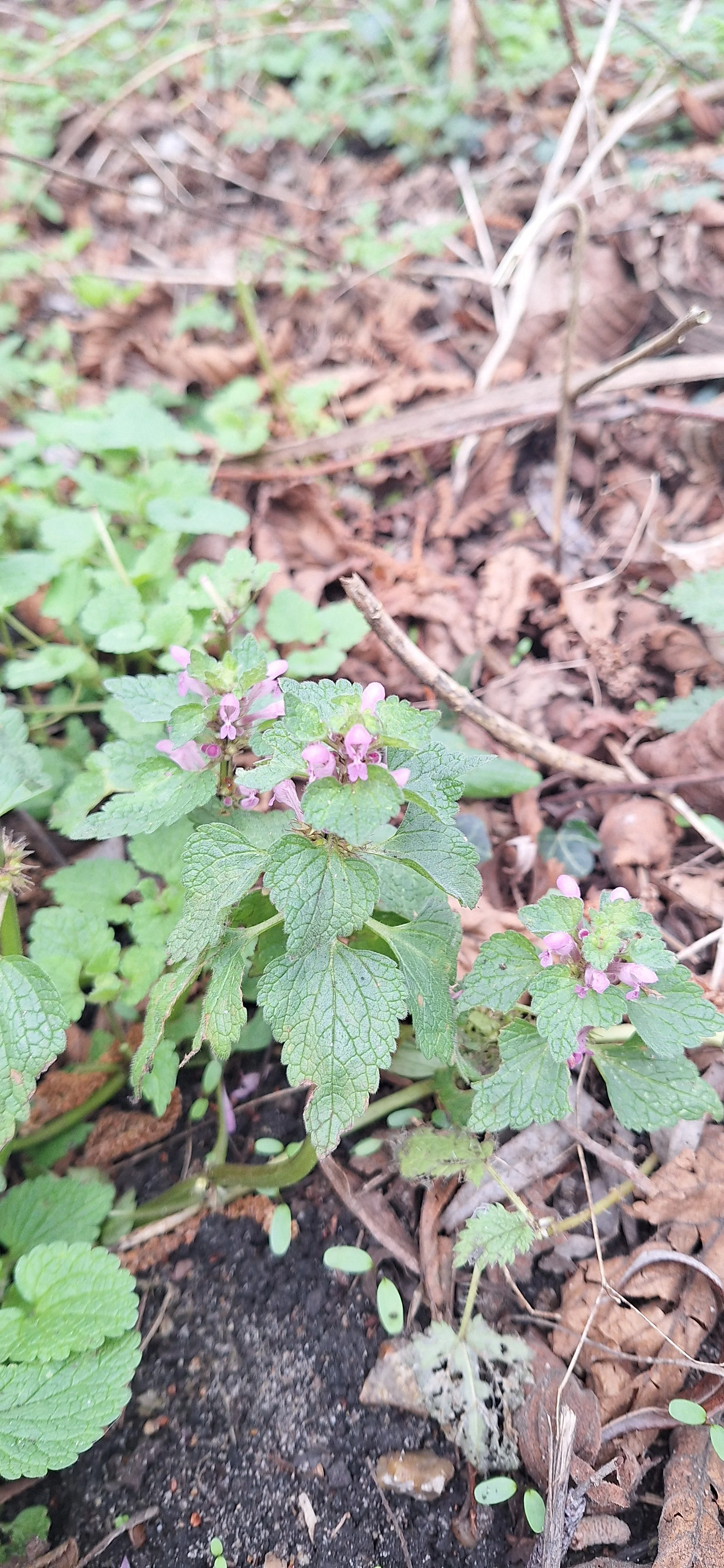
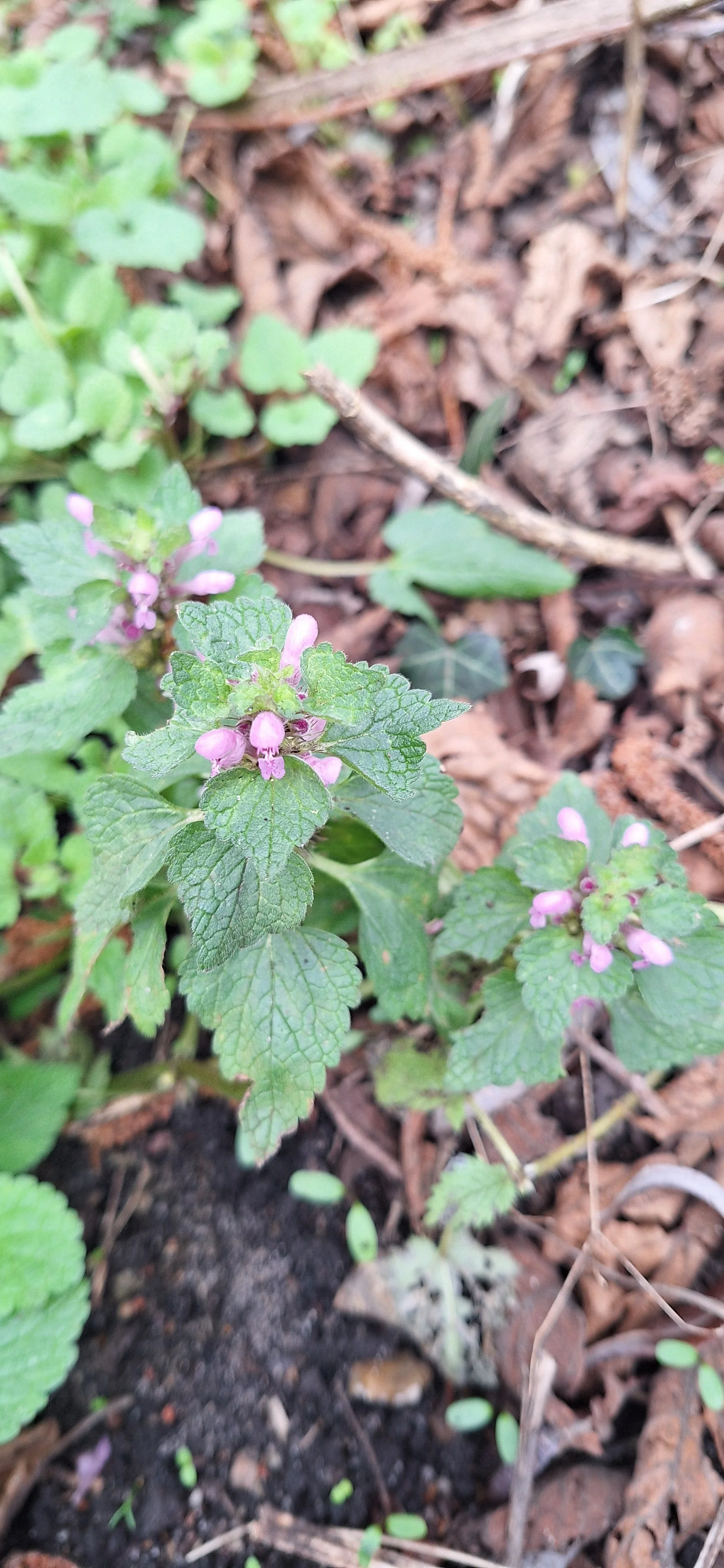
Red dead nettle (Lamium purpureum) are small leafy plants that can grow up to around 30 cm. The leaves have very clear venation and have a cartoon heart shaped with a crenate margin. Fine hairs can be found all over the leaves. Red dead nettle flower have more of a purple-pink colouration than red and are shaped similarly to a medieval knight’s helmet. These flowers grow along the top of the plant’s stem and bloom for most of the year, typically between March and October.
Red dead nettle is native to the UK and most of Eurasia as well as North West Africa. The wildflower has been introduced outside of its native range and has become naturalised in North and South America, Japan, Australia and New Zealand. It is likely so prolific around the world as it is capable of growing in a variety of habitats such as forest edges, meadows and even urban areas such as roadsides.
Two red dead nettle plants
Average leaf colour of the red dead nettle (Hex: #c79cbe)
Average flower colour of the red dead nettle (Hex: #8daf9c)
Dead but Edible
Two red dead nettle plants
Dead nettle’s are referred to as dead because they don’t sting like other nettles. Dead nettles are actually quite distantly related to nettles. Real nettles are from the Order Rosales and the Family Urticaceae, where as the dead nettles are from the Order Lamiales and the Family Lamiaceae. This means that dead nettles are much more closely related to plants such as sage, yellow woundwort and hyssop-leaved mountain ironwort.
Red dead nettle shoots, leaves and flowers are edible and are a great ingredient for salads. They have an earthy taste with a hint of sweetness and a slight peppery taste only present in young plants. Eating the plant supposedly has medical benefit like aiding digesting, being anti-inflammatory and by having detoxifying properties. However I could find no evidence to back up these medical claims so I wouldn’t trust that these supposed medical benefits are accurate.
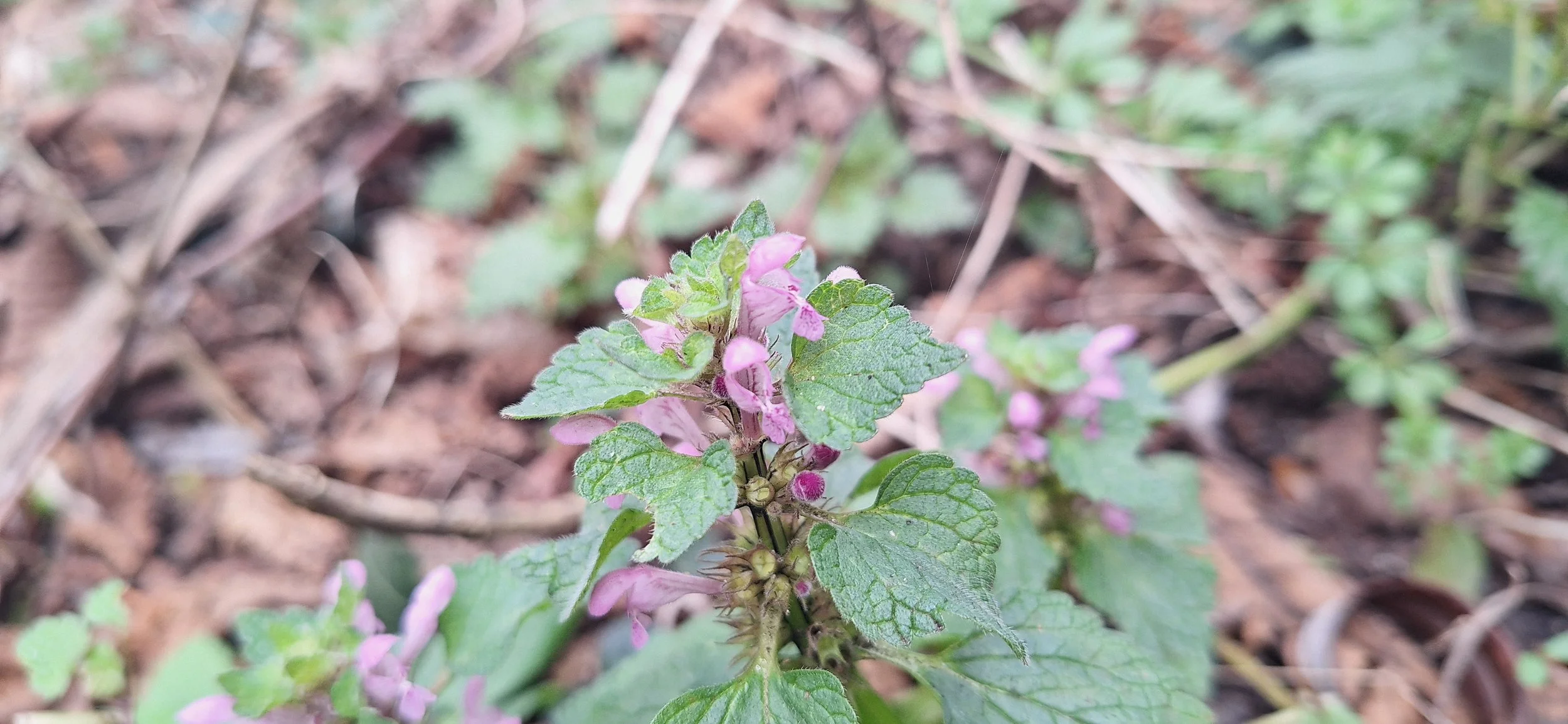
A close up red dead nettle plant